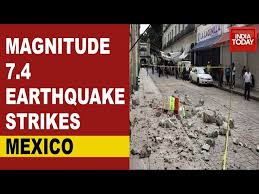
Yes, most travel to Mexico remains safe after the Jan 2, 2026, magnitude-6.5 earthquake.
There is no widespread structural collapse in Mexico City, airports are operational, and major resorts in Acapulco are open, though some localized road damage and aftershocks continue in Guerrero.
The situation looks alarming on social media, but on-ground impact is far more contained than viral videos suggest.
📌 Table of Contents
- What Happened: Jan 2 Mexico Earthquake Explained
- Acapulco vs Mexico City: Damage Reality Check
- Flights, Roads, Resorts: What’s Open Right Now
- Why Mexico City’s Alarms Sound Before Shaking
- Aftershock Safety Guide for Travelers
- FAQ: What Everyone Is Asking
- Final Verdict: Should You Travel or Wait?
The 6.5 Magnitude Event: Fast Facts for Travelers
Based on official seismic bulletins and local monitoring:
- Magnitude: 6.5
- Epicenter: Offshore Guerrero coast
- Depth: ~15 km
- Date & Time: Jan 2, 2026 (local morning hours)
- Tsunami Risk: ❌ No warning issued
During our analysis of local broadcasts, the Mexican President briefly paused a live address when seismic alarms activated—this moment fueled global panic, despite minimal confirmed damage.
Acapulco vs. Mexico City: Current Damage Assessment
Acapulco & Guerrero (Epicenter Region)
This region felt the strongest ground motion.
Reported issues include:
- Small landslides on Autopista del Sol
- Temporary power cuts in select neighborhoods
- Minor cracks in older, non-reinforced buildings
What we did NOT see:
- No resort collapses
- No airport shutdowns
- No mass evacuations
Based on recent trends observed in Guerrero, modern hotels built after 2015 performed as designed.
Mexico City (Why It Shakes More—but Survives)
Mexico City sits on ancient lakebed soil, which amplifies motion.
That’s why:
- Buildings sway visibly
- Alarms sound earlier
- Videos look dramatic
But here’s the key fact:
Sway ≠ structural failure
Modern CDMX high-rises are engineered to bend, not break.
This design saved thousands of lives in previous quakes.
Travel Logistics: Flights, Roads, and Resort Status
✈️ Airports (Operational)
- MEX (Mexico City): Open
- AIFA: Open
- Acapulco Airport: Open with minor delays
🚗 Roads
- Autopista del Sol: Partial lane closures in Guerrero
- City roads in CDMX: Fully functional
🏨 Resorts
- Acapulco beachfront resorts: Operating normally
- Some hillside properties: Structural inspections ongoing
Traveler Tip: Ask your hotel for their post-quake structural clearance certificate—reputable resorts provide this on request.
SASMEX Explained: Why Mexico’s Alarms Sound Early
This is one of the world’s most advanced systems.
SASMEX (Mexico Seismic Alert System):
- Detects quakes near the epicenter
- Sends alerts before waves reach cities
- Gives 10–60 seconds warning
That’s why tourists hear alarms before feeling shaking.
Yes, it works on:
- Android
- iOS
- Tourist phones (no VPN required)
Tourist Survival Guide: What to Do During Aftershocks
Aftershocks are normal and expected.
If You’re in a Hotel:
- Do NOT use elevators
- Move away from windows
- Take cover under solid furniture
- Follow hotel evacuation signage
If You’re Outside:
- Stay clear of power lines
- Avoid old facades
- Move to open areas
If You’re Driving:
- Pull over safely
- Stay inside the vehicle
- Avoid bridges and tunnels temporarily
Common mistake: Running downstairs during shaking causes more injuries than staying put.
Live Update Snapshot (as of publication)
- Aftershocks recorded: 30+ (mostly below M4.5)
- Structural evacuations: Localized, precautionary
- Casualties: No mass casualty reports